Quality Craftsmanship Starts With the Right Fencing Team
Organize Fields and Acreage Boundaries With Farm Fence Installation in McDonough, GA
Organize fields, define acreage, and establish practical boundaries around your farm. Our locally owned team brings over 40 years of combined fencing experience to agricultural and rural properties.
Organize Your Farm With Clearly Defined Boundaries
Working farmland needs boundaries that support everyday activities, but an unsuitable fence can make managing acreage more complicated. Fields may lack clear divisions, access routes can become inconvenient, and existing fencing may no longer follow the way different sections of land are used. A poorly positioned boundary can interfere with tractors, maintenance equipment, or movement between agricultural areas. Choosing a fence configuration without considering terrain, gate placement, and the intended use of the land can also lead to unnecessary material costs or maintenance concerns. When these details are overlooked, a fence intended to organize the property may create additional work for the people maintaining it.
Hamrick Fence provides farm fence installation in McDonough, GA, for agricultural property owners seeking practical boundaries suited to their land. We begin by discussing how your fields and surrounding acreage are used, where access is required, and which areas need clear separation. Our team then helps you consider suitable fencing materials, boundary routes, gate locations, and installation requirements based on the property’s conditions. Since 2002, we have emphasized honest pricing, personalized attention, and careful workmanship backed by over 40 years of combined industry experience. Contact us today to discuss agricultural fencing that helps organize your property while respecting the demands of working land.
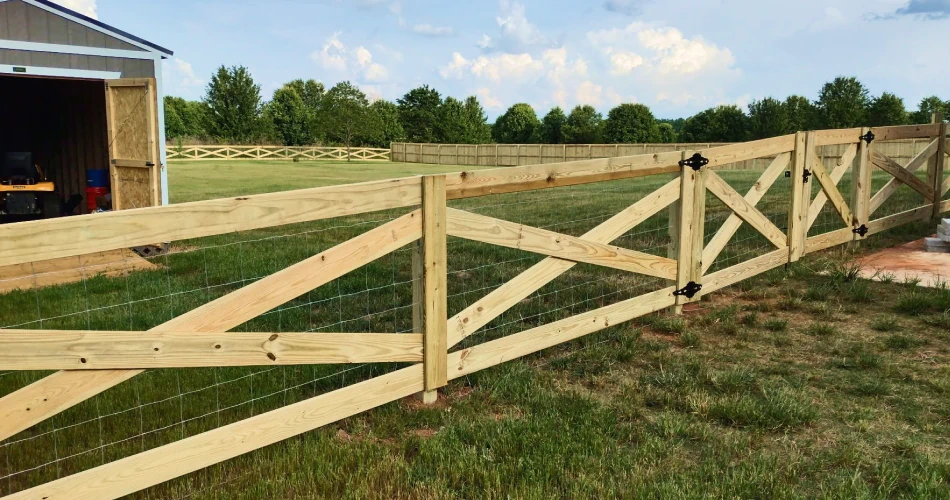
Build Practical Boundaries Across Your Acreage
Farm fencing serves a different purpose from the decorative boundaries commonly installed around residential yards. Agricultural properties may have longer fence runs, irregular field shapes, changing elevations, and multiple access points for equipment. A boundary must also reflect what happens on either side of it, whether the area is used for cultivation, equipment movement, general acreage management, or another agricultural activity.
As an agricultural fence contractor, we consider these practical differences when discussing a proposed installation. Our approach to field fence installation begins with the land’s intended use rather than assuming the same configuration will work throughout the property.
Our farm and agricultural fencing services include:
- Farm Fence Installation: Establish new fencing around working areas, fields, and selected portions of agricultural property. We consider the length of the proposed boundary, terrain, material options, and access needs so the fence route supports regular farm activities without introducing unnecessary obstacles.
- Agricultural Boundary Fencing: Define divisions between different sections of land using an agricultural boundary fence suited to the property’s layout. These boundaries can help distinguish cultivated areas, maintenance zones, and other designated spaces while making the organization of the property easier to understand.
- Field Fencing: Mark field edges and create recognizable divisions across agricultural acreage. We review changes in elevation, field entrances, existing paths, and the movement of equipment so the proposed fence follows a practical route rather than interfering with routine access.
- Farm Perimeter Fencing: Establish a visible boundary around selected outer portions of a farm or agricultural property. Farm perimeter fencing requires attention to longer fence runs, corners, access openings, and natural features that may influence post placement or the most practical installation route.
- Wood Farm Fencing: Introduce traditional wood boundaries where a natural appearance and clearly defined fence line are priorities. Wood configurations may be suitable for selected agricultural and rural applications, with rail arrangements, material characteristics, weather exposure, and maintenance requirements considered during planning.
- Agricultural Fence Replacement: Update deteriorating or unsuitable fencing when damaged posts, worn materials, or outdated layouts interfere with property use. We discuss the existing boundary’s condition, removal requirements, and whether the replacement should follow the original route or better reflect current agricultural activities.
Large agricultural properties often include sections that require different fencing approaches. A visible boundary near a farm entrance may serve a different purpose from a fence separating two working fields, and a long outer perimeter may have different access requirements from a short interior division.
For landowners managing extensive acreage and rural entrances, our ranch fence installation services provide additional information about property layouts and boundary planning.
Keep Your Land Accessible as You Define Its Boundaries
Before installing agricultural fencing, it is important to consider how people and equipment move through the property during regular operations. A field entrance that accommodates everyday vehicle traffic may still be inconvenient for larger equipment used during planting, maintenance, or harvesting. We discuss the location of access points, existing farm roads, changes in elevation, and areas where fencing could interfere with drainage or land maintenance. The proposed layout should also account for corners, natural obstacles, and sections of ground that may require additional preparation. These considerations help shape a fence plan that establishes clear boundaries while keeping the property practical to use.
The cost and timeline of an agricultural installation depend on total fence length, material selection, terrain, access requirements, and the condition of any existing fencing. Longer boundaries may involve additional planning for material delivery, post placement, and access to distant portions of the property. Wood fencing can provide a traditional appearance, but its suitability depends on the intended application and the level of maintenance the property owner is prepared to manage. If your project involves animal enclosures, our livestock fencing services address additional containment considerations, while our split rail fence installation services explain open boundary designs for appropriate rural settings. When you choose Hamrick Fence for farm fence installation in McDonough, GA, you receive practical guidance, clear communication, and careful workmanship focused on how your land is actually used.
Common Questions About Farm and Agricultural Fencing
Agricultural fencing projects require planning around land use, terrain, boundary length, equipment access, and maintenance. These answers address important considerations before installing or replacing fencing on a farm.
-
The appropriate fence depends on how the land is used and what the boundary needs to accomplish. A fence intended to mark the edge of a cultivated field may have different requirements from one designed to contain livestock or separate operational areas. Wood rail fencing can provide an open, traditional boundary in suitable locations, while other configurations may be needed for more specific applications. We recommend identifying the intended purpose, access requirements, and terrain conditions before selecting materials.
-
Start by identifying which fields need separate boundaries and how equipment moves between them. Consider existing farm roads, frequently used entrances, maintenance routes, and areas where future access may be necessary. A fence that creates a clear division but blocks an important route can make everyday agricultural work less convenient. It is also helpful to review changes in elevation, drainage patterns, and the locations of existing structures. These details guide a layout that supports the property’s organization and practical use.
-
Many agricultural fencing projects involve changing terrain, but the installation approach depends on the selected material, fence configuration, and severity of the slope. Uneven ground can influence post placement, rail alignment, ground clearance, and the way fence sections transition between elevations. Low areas or locations with drainage concerns may also require particular attention during planning. We discuss these conditions before selecting a layout so the proposed boundary reflects the actual characteristics of the land.
-
Replacement may be worth considering when multiple posts are unstable, large sections have deteriorated, or the current fence route no longer supports how the property is used. Individual damaged components may sometimes be addressed without replacing an entire boundary, depending on the condition of surrounding materials. However, repeated problems across a long fence run can make a broader replacement more practical. Property owners should also consider whether the existing gate locations and field divisions still accommodate equipment and daily agricultural activities.
-
Farm fencing costs depend on the length of the proposed boundary, selected materials, terrain, post requirements, number of gates, and accessibility of the installation area. A short interior field division may involve different work from a long outer perimeter that crosses uneven or wooded land. Existing fence removal, difficult equipment access, and site preparation can also affect the project. Hamrick Fence emphasizes transparent pricing and project-specific discussions so agricultural property owners can understand the factors influencing their installation.
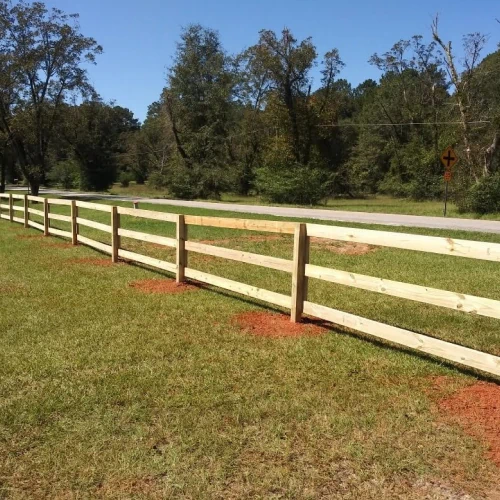
Give Every Field a Boundary That Makes Sense
Keep your farm organized with fencing planned around your acreage, field access, and daily activities. Discuss practical boundary options and installation needs with our team.